

California family reviewing whether an estate needs probate court

Probate Alternatives · All of California

Most California estates
never need probate court

Before you hire anyone, find out whether the estate qualifies for a procedure that skips the court entirely. If it does, we prepare the paperwork for a flat $600. If it needs a court petition, we will tell you that too — and refer you to a probate attorney rather than sell you something.

$208,850No-court ceiling
$600Flat, affidavit route
LDA #268Registered & bonded

What we do, and what we no longer do

Being straight with you is cheaper for both of us than a wasted consultation.

  1. We prepare the Small Estate Affidavit under Probate Code §13100 — the no-court route for personal property up to $208,850. Flat $600.
  2. We prepare the deeds and affidavits that clear a deceased owner from title when survivorship or a trust applies. From $325.
  3. We prepare living trusts and funding deeds so the next death in the family never reaches this page at all.
  4. We no longer prepare probate court petitions. Full administrations, spousal property petitions, and succession petitions are court filings, and we refer those to a probate attorney.

Tell us what the person owned and how title was held. We will tell you which route applies before you pay anything — including when the answer is that you need a lawyer, not us.

Probate is the default, not the requirement

California probate is the court process for retitling property that has no automatic path to a new owner. It exists because someone has to be given legal authority to sign for a person who has died. Where that authority already exists — a surviving joint tenant, a successor trustee, a named beneficiary — there is nothing for the court to decide, and no probate.

So the question is never really do I have to do probate. It is how was title actually held on the date of death. That single fact, written on the last recorded deed, decides everything: which document you need, what it costs, and whether a judge is involved at all.

A great many families open a probate they never needed, because nobody told them to read the deed first.
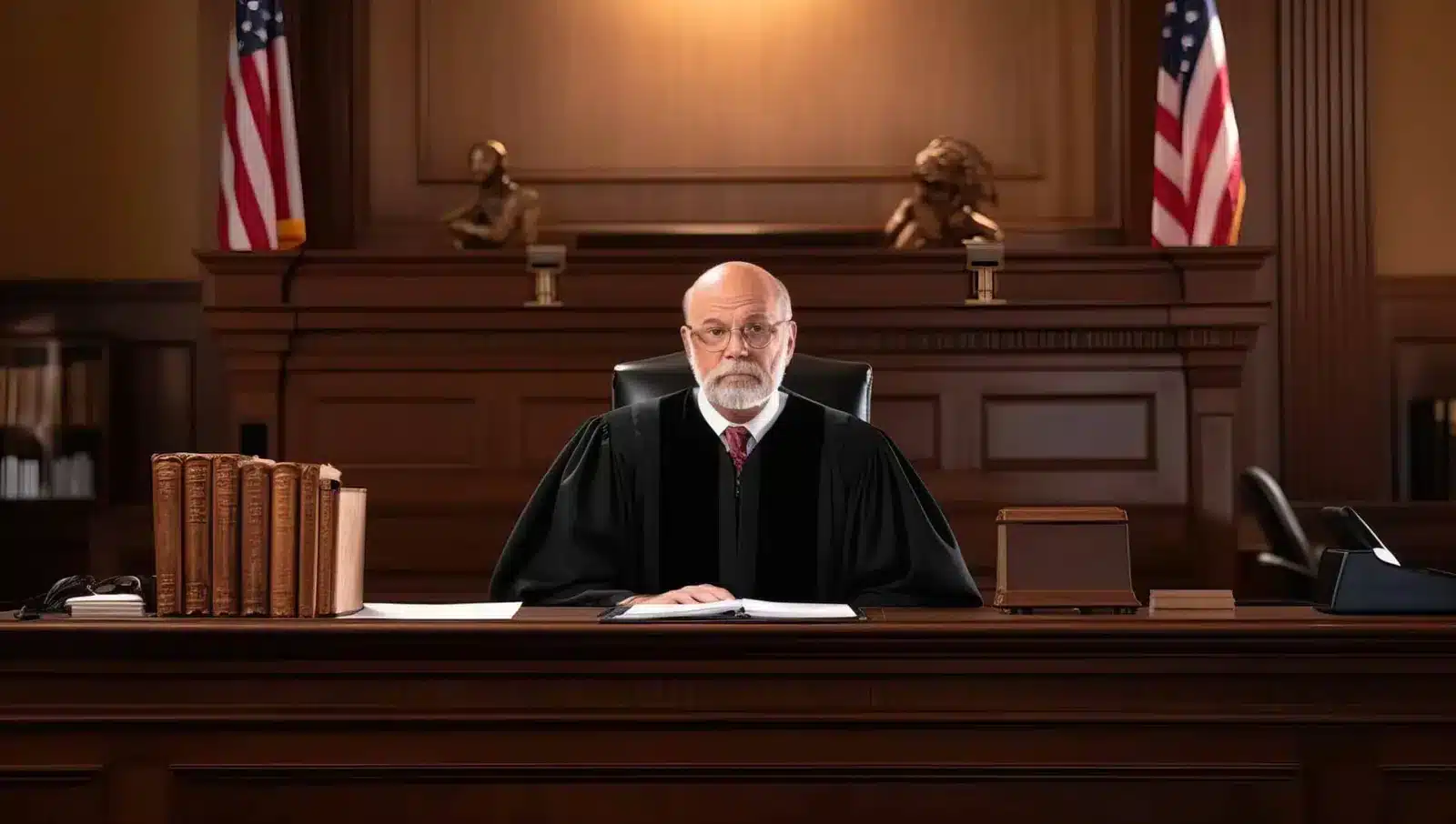
California probate court, which most small estates can avoid entirely

The five routes, and who handles each

Current figures are from Judicial Council form DE-300, revised April 28, 2025, and apply to deaths on or after April 1, 2025. Under Probate Code §890 these amounts adjust every three years; the next scheduled change is April 1, 2028.

RouteCeilingCoversCourt?Who prepares it
Small Estate Affidavit §13100$208,850Personal property — bank and brokerage accounts, vehicles, final payNo court at allTruPoint — $600
Affidavit of death (joint tenant, spouse, or trustee)No limitReal property that passes by survivorship or sits in a trustRecorder onlyTruPoint — from $325
Petition to Determine Succession to Primary Residence (DE-310)$750,000The decedent’s California primary residenceYes — petition and orderProbate attorney
Affidavit re Real Property of Small Value (DE-305)$69,625Other California real property, after a six-month waitFiled with the courtProbate attorney
Spousal Property Petition (DE-221) or full administrationNo limitCommunity property to a spouse, or everything above the ceilingsYes — hearingProbate attorney

The top two rows are the ones most families actually need, and they are the two that never see a courtroom. If you land in the bottom three, we will say so plainly and point you to counsel — there is no version of this where we take your money for a document we do not prepare.

What counts toward the $208,850, and what does not

Probate Code §13050 controls the arithmetic, and families guess wrong in both directions. Getting this right is what decides whether you need a court at all.

Counts toward the limit

Solely owned bank and credit union accounts. Brokerage and investment accounts with no beneficiary. Vehicles, boats and mobile homes. Uncashed checks. Business interests. Household goods. Money owed to the decedent. Gross value at the date of death, not net of debts.

Does not count

Joint tenancy property, which passes by survivorship. Assets already titled in a living trust. Payable-on-death and transfer-on-death accounts. Retirement accounts and life insurance with a living named beneficiary. Community property with right of survivorship. Salary owed for the decedent’s personal services, up to $20,875. A primary residence moved by its own petition.

Those exclusions rescue estates people assumed were far too large. A house held in joint tenancy and a $180,000 bank account is not a $1.2 million probate — it is an affidavit of death and a small estate affidavit, and neither one involves a judge.

Why avoiding probate is worth the effort

California is one of the few states that sets probate compensation by statute rather than by the hour. Probate Code §§10800 and 10810 fix the fee as a percentage of the gross value of the estate — the mortgage is not deducted — and the attorney and the personal representative are each entitled to that same amount.

Gross estate valueStatutory rateAttorney feeRepresentative feeBoth, combined
$500,0004% / 3% / 2%$13,000$13,000$26,000
$1,000,000plus 2% band$23,000$23,000$46,000
$1,500,000plus 2% band$33,000$33,000$66,000

On top of that sit a $435 court filing fee, newspaper publication, a probate referee’s appraisal fee, and nine to eighteen months of waiting. For a Bay Area home with a large mortgage, the statutory fee is calculated on the full market value regardless of the equity you actually have. That is the arithmetic that makes a $600 affidavit, or a living trust done in advance, worth taking seriously.

What to do in the first two weeks

1

Order certified death certificates

Order more than you think you need — five to ten. Every institution wants a certified copy and almost none of them give it back. Order them from the county health department where the death occurred, or through the funeral home.

2

Find the last recorded deed

This is the single most important document, because the vesting written on it decides which route you are on. If you cannot find it, we can pull it from the county recorder using the property address.

3

Lodge the original will with the court

Probate Code §8200 requires whoever holds the original will to deliver it to the Superior Court in the county where the person died, within 30 days of learning of the death. This applies even when no probate is opened. It is a filing, not a petition, and the court charges a small fee.

4

List what was owned, and how it was titled

Account by account, with date-of-death values, and note anything with a named beneficiary or a surviving co-owner. This list is what tells you whether you are under $208,850 on the assets that actually count.

5

Wait 40 days, then collect

Probate Code §13100 imposes a 40-day wait from the date of death before a small estate affidavit can be presented. It cannot be shortened. Use the time to gather the paperwork so you are ready on day 41.

Make sure your own family never lands here

Every route above is a repair. These three are the prevention, and they are all cheaper than the repair.

A funded living trust

Property titled in a trust is not part of the probate estate at all, at any value. The catch is funding — a trust that was signed but never had the house deeded into it is the most common reason families end up in probate anyway. See living trust preparation and funding the trust.

A transfer on death deed

Names a beneficiary who takes the home on your death without probate, and you keep full control while alive. Strict formalities apply, including two witnesses and a 60-day recording deadline. See transfer on death deed, $325.

The right vesting on title

Joint tenancy and community property with right of survivorship both pass automatically to the survivor, cleared afterwards by a simple recorded affidavit. Which vesting suits you is a real decision with tax consequences — see ways to hold title in California.

Questions families ask in the first week

My parent just died. What do I actually have to do first?
Three things, in this order. Order five to ten certified death certificates. Find the last recorded deed for any real property, because the vesting written on it decides everything that follows. And if there is an original will, deliver it to the Superior Court in the county where the person died within 30 days, which Probate Code section 8200 requires whether or not anyone opens a probate. Nothing else is urgent in week one, and the 40-day wait for a small estate affidavit is running in the background anyway.
Does every estate in California have to go through probate?
No, and most do not. Probate is only needed where property has no automatic path to a new owner. Anything held in joint tenancy, in a living trust, as community property with right of survivorship, or with a named living beneficiary passes outside probate entirely. On top of that, personal property totalling $208,850 or less can be collected by sworn affidavit with no court involvement at all.
How do I find out whether I can avoid probate?
Read the last recorded deed and list the accounts. If the deed says joint tenants, or names a trust, or says community property with right of survivorship, the real estate is already handled by a recorded affidavit rather than a court. Then total the personal property that actually counts under Probate Code section 13050. If that total is $208,850 or less, the affidavit route covers it. Send us both and we will tell you which route you are on before you pay anything.
What is a Small Estate Affidavit and what does it cost?
It is a sworn document under Probate Code section 13100 that lets the people entitled to inherit collect a deceased person’s personal property directly from whoever holds it — the bank, the brokerage, the employer, the DMV. Nothing is filed with a court. It works when the qualifying property totals $208,850 or less and at least 40 days have passed since the death. TruPoint prepares it for a flat $600. See the small estate affidavit page for the full procedure.
Do you prepare probate court petitions?
No, not any more. Full probate administrations, spousal property petitions, and petitions to determine succession to real property are court filings, and we refer them to a probate attorney. What we prepare is the no-court side: the section 13100 small estate affidavit, the affidavits that clear a deceased owner from title, and the deeds that move property to the people entitled to it. If your situation needs a courtroom, we will tell you on the phone rather than take a deposit.
How much does probate actually cost in California?
California sets it by statute rather than by the hour. Probate Code sections 10800 and 10810 fix compensation as a percentage of the gross value of the estate, with no deduction for the mortgage, and the attorney and the personal representative are each entitled to the same amount. On a $1,000,000 estate that is roughly $23,000 each, about $46,000 combined, before the $435 filing fee, newspaper publication, and the probate referee’s appraisal. That arithmetic is why the affidavit routes and a funded trust matter so much.
How long does California probate take?
Nine to eighteen months is typical, and complicated or contested estates run longer. The first hearing is usually set 30 to 45 days after filing, there is a four-month creditor claim period, and the court has to approve the final distribution. By contrast, a small estate affidavit needs 40 days from the death and then a day or two of preparation, and an affidavit of death records in about the same time.
What happens if the estate is worth more than $208,850?
Check the exclusions first, because they routinely bring an estate back under. Joint tenancy assets, trust assets, payable-on-death and transfer-on-death accounts, retirement accounts and life insurance with a named beneficiary, and a primary residence moved by its own petition all sit outside the calculation. If the qualifying total is genuinely over the ceiling, the route is a court petition and you need a probate attorney — we will tell you that plainly.
There is a house. Does that automatically mean probate?
Not necessarily, and this is the assumption that costs families the most. If the deed says joint tenants, the survivor clears title with a recorded affidavit. If it names a trust, the successor trustee handles it. If it says community property with right of survivorship, the surviving spouse records an affidavit. Only where the deceased held the property in their name alone, with no trust and no survivorship, does a court procedure come into it.
What if there is no will?
Dying without a will does not force a probate either. Intestate succession simply decides who the heirs are; it does not change how title was held. A surviving joint tenant still takes by survivorship, a beneficiary designation still controls, and a small estate affidavit still works — the heirs under intestate succession are the people who sign it instead of the people named in a will.
Can I use a small estate affidavit if a probate was already opened?
Not unless the appointed personal representative consents in writing. An open or completed probate for that decedent closes the affidavit route, because the court has already taken jurisdiction over the estate. If a case was opened years ago and never finished, tell us — the answer depends on where it stopped.
Can you handle this if I live out of state or outside the country?
Yes, at the same flat fee, and it comes up constantly because heirs are scattered. We prepare the documents and email them with signing instructions. From another state, you sign before any notary public licensed where you live, scan it back to us, and we file or record it in California. From outside the country, the acknowledgment is normally taken at a U.S. embassy or consulate, and California also accepts a notary of that country, though some counties want the signature authenticated. You never travel to California.
Is there a deadline to deal with all this?
Only one hard deadline: the original will must reach the Superior Court within 30 days under Probate Code section 8200. A small estate affidavit has a 40-day floor but no expiry, and affidavits of death can be recorded years later. What waiting costs is the discovery moment — families almost always find the gap when they are trying to sell or refinance, and by then a closing date is attached.
Do I need a lawyer, or can a Legal Document Assistant help?
For the no-court documents, a California Registered Legal Document Assistant is the category the Legislature created exactly for this — preparing self-help legal documents at your direction under Business and Professions Code section 6400. For anything filed with the probate court, or where heirs disagree, the trust language is ambiguous, or someone is threatening to contest, you want a licensed attorney. We are LDA #268, Santa Clara County, registered and bonded, and we are not attorneys.
What do you need from me to tell me which route applies?
The last recorded deed for any real property, or the address and APN so we can pull it; a list of the accounts and property with rough date-of-death values; whether there is a will; and a certified death certificate once you have one. That is enough for us to tell you whether you are on the affidavit route, the recorded-affidavit route, or headed for a court petition. There is no charge for that answer.
How do I stop my own family from going through this?
A funded revocable living trust is the tool that keeps an estate out of every one of these procedures, because assets titled in the trust are not part of the probate estate at any value. The word that matters is funded — a trust that was signed but never had the house deeded into it is the single most common reason families end up in probate anyway. A transfer on death deed is the simpler alternative for a single home.

Find out if you can skip the court

Send us the deed and the account list. We will tell you which route applies before you pay anything — including when the honest answer is that you need a probate attorney instead of us.

TruPoint Legal is a Registered Legal Document Assistant service (LDA #268, Santa Clara County), not a law firm. We are not attorneys, we cannot select a legal procedure for you, represent you, or advise you on legal outcomes, and nothing on this page is legal advice. We prepare documents at your specific direction under California Business and Professions Code section 6400 et seq. We do not prepare probate court petitions. Dollar figures are taken from Judicial Council form DE-300, revised April 28, 2025, and apply to deaths on or after April 1, 2025.
Hablamos Español · Chúng tôi nói Tiếng Việt · We speak English