
Santa Cruz CountyDeed Transfer
Santa Cruz · Watsonville · Scotts Valley · Capitola · Aptos · Soquel
Adding a spouse, moving your Santa Cruz home into a trust, or transferring a property without a sale? Title companies decline work like that — and one wrong filing can cloud your title or trigger a needless transfer-tax bill. TruPoint prepares the deed you identify and e-records it with the Santa Cruz County Recorder the same business day for $325 — no escrow, no attorney, no trip over the hill.

About Quinnie Do
Registered Legal Document Assistant · LDA #268 · Santa Clara County
Quinnie Do founded TruPoint Legal LLC and holds three California credentials: Registered Legal Document Assistant, Commissioned Notary Public, and Registered IRS Tax Preparer. She works directly with clients in English, Vietnamese, and Cantonese, with Spanish available through our office partner in 50 California counties.
On Santa Cruz deeds: Quinnie prepares and e-records grant, quitclaim, interspousal, and trust transfer deeds across the Monterey Bay and the San Lorenzo Valley — from Santa Cruz and Capitola to Aptos, Scotts Valley, and Watsonville — handled remotely from the nearby San Jose office, with a Spanish-speaking staff partner.
Verify LDA #268 ↗ · CALDA Member Profile ↗
Last updated: June 14, 2026
Recording a deed in Santa Cruz County, and the cost
To transfer Santa Cruz property without a sale, you prepare the right document — grant, quitclaim, interspousal, or trust transfer — have it notarized, and record it with the Santa Cruz County Recorder. As of 2026, a real estate attorney often charges $1,000–$2,000 to prepare and record a single filing, and title companies usually decline non-sale transfers because there is no escrow. TruPoint Legal fills that gap as a Santa Clara County–registered Legal Document Assistant, LDA #268. We prepare the correct document with the required forms and exemption language, arrange notarization, and e-record it — $325. Recording is what actually updates the public record of ownership, with same-day e-recording available across 50 California counties — prepared by Quinnie Do, LDA #268 (verify ↗).
Why the filing matters
One wrong filing costs more
than the deed itself
From the Santa Cruz waterfront and Capitola to the redwoods of the San Lorenzo Valley and the farms of Watsonville, a lot of Santa Cruz County property changes hands without a traditional sale — a parent adds a child, a couple funds a trust, an owner moves a rental into a company. Title and escrow companies decline that work because there is no buyer and no closing, which leaves owners to file on their own. That is where it goes wrong.
What a do-it-yourself filing can cost you:
- The recorder rejects the deed for a formatting or cover-sheet error, and the filing is delayed for weeks
- A missing exemption form lets the assessor reassess the property, raising the tax bill for as long as you own it
- A wrong legal description clouds the title and surfaces later, at a sale or refinance
- An incomplete transfer-tax declaration triggers a tax that the transfer should have been exempt from
There is usually more than one way to move a given property, and the right instrument depends on your situation. You identify what you need; we prepare the document and the matching forms, built to record correctly the first time.

What we prepare
Santa Cruz County deeds we draft and e-record
Grant deed
Transfers ownership with the standard California warranties. Common for sales, gifts, and moving title between people. $325.
Quitclaim deed
Releases whatever interest an owner has, with no warranty — often used to add or remove a name. $325.
Interspousal transfer deed
Moves a home between spouses; transfers between spouses are excluded from reassessment when the exclusion is claimed.
Trust transfer deed
Funds a home into your living trust so it passes outside probate. We prepare it with the exemption language.
Affidavit — Death of Joint Tenant
Clears a deceased co-owner off title after a death, so the record reflects the surviving owner.
LLC & corporation deed
Moves a rental or investment property into an LLC or corporation with the proportional-ownership recital the Assessor needs. $400.
Transfer on Death (TOD)
Names who receives the property at death without a probate, while you keep full control during your lifetime.
What a Santa Cruz County deed transfer costs
How $325 compares: a California real estate attorney typically charges $1,000–$2,000 to prepare and record a single filing, with any consultation billed separately, and title companies won’t touch a non-sale transfer at all. As a registered Legal Document Assistant working at published fees, we deliver the same legally correct paperwork for a fraction of that.
| Optional add-on | Fee |
|---|---|
| Same-day e-recording | +$50 |
| Notary, per signature | +$15 |
| Title search (pull the current recorded deed) | +$30 |
| Transfer tax affidavit (if required by county) | +$50 |
Santa Cruz recording fees and any documentary transfer tax are set by the county and state and depend on the document, page count, and whether the transfer is a sale. We confirm the exact amount up front and remit it to the Recorder on your behalf — it is not part of our fee. Many non-sale transfers between family members, spouses, or into a trust are exempt from transfer tax.
Where Santa Cruz deeds record
The Santa Cruz County Recorder
Deeds for property anywhere in Santa Cruz are recorded with the County Recorder. The office is at 701 Ocean Street, Room 230, Santa Cruz, CA 95060, and the recording counter is generally open Monday through Friday during business hours.
You don’t have to make the drive over the hill. Santa Cruz County supports electronic recording, and we prepare your document to the county’s formatting and cover-sheet requirements and submit it for you, so a transfer anywhere from Scotts Valley to Watsonville is submitted the same business day the signed, notarized original is in hand instead of waiting in the mail. The county typically records and returns it within 1 to 3 business days, and we send your stamped copy as soon as it returns.
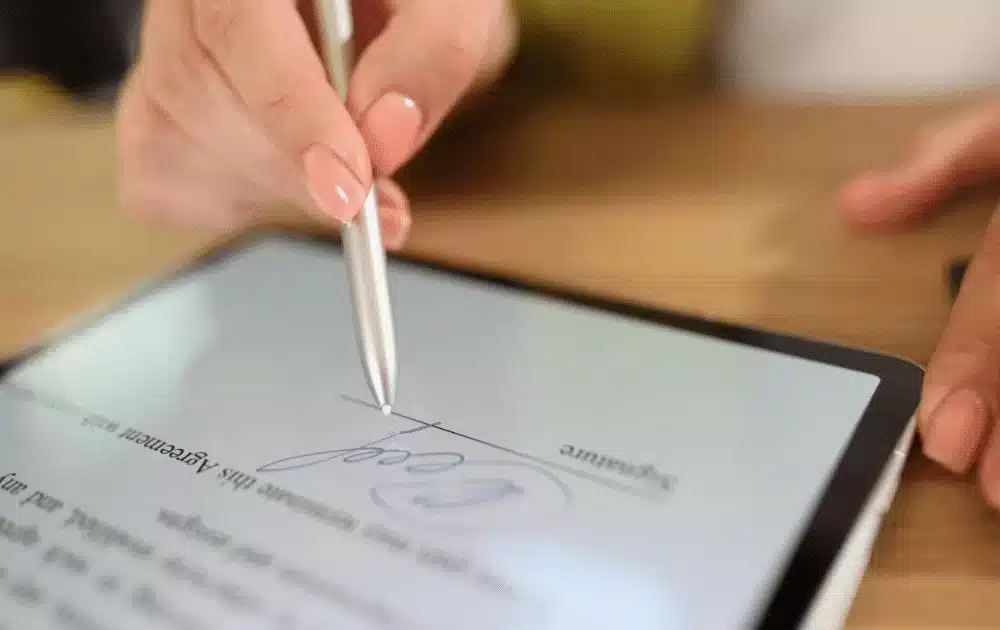
What goes wrong with a do-it-yourself Santa Cruz deed
Form sites and AI tools generate a document from what you type — they can’t catch the things that get a filing rejected or quietly raise your taxes. Here’s what we see, and what it costs.
Missing the exemption form
Recording a family or trust transfer without the matching county exclusion form.Consequence: the assessor reassesses, and the tax bill climbs for as long as you own it.
A rejected cover sheet
Wrong margins, missing return address, or an incomplete cover page for the county.Consequence: the recorder bounces the deed and the filing is delayed for weeks.
The wrong deed for the goal
Using a quitclaim where the situation called for a grant or interspousal transfer.Consequence: a clouded title that surfaces at the next sale or refinance.
A copied-wrong legal description
Re-typing the parcel’s legal description by hand and introducing an error.Consequence: the recorded document describes the wrong property, and a correction is needed.
An incomplete transfer-tax declaration
Leaving the transfer-tax section blank or unsigned on a transfer that was exempt.Consequence: a tax bill the transfer should never have triggered.
After you submit the intake form, we review it and follow up if we have any questions. No payment is collected until your contract is signed.
Typical turnaround is one to two business days from the day you sign. You never visit the Recorder’s office — we submit electronically, and the stamped copy comes back by email. See every fee →
A registered, bonded, government-verifiable LDA
Nearby counties we record in
Recording deeds across the Bay Area & coast
All California deed transfer & recording → · E-recording in 50 counties →
What clients say
Verified Google reviews
I have been working with Quinnie for an Interspousal Deed Transfer. I was very impressed by the service provided. Quinnie was very responsive, knowledgeable and efficient. Highly recommend!
Quinnie was extremely knowledgeable and responsive. She took the time to understand my needs and explained the process in detail before we proceeded. She had all the paperwork prepared and filed on the same day I came in to sign, making the entire process quick, smooth, and seamless.
TruPoint Legal was very professional and clearly explained the process of what I was trying to accomplish. Quinnie was very knowledgeable and help me through the whole process. Will be using them for all my property projects.
Notary for your signing
Your deed has to be notarized before it records
Need a notary near Monterey Bay? Every California deed has to be signed before a notary before the county will record it. Our same-office partner, Fingerscan Digital, offers in-office and mobile notary, so you can sign wherever you are and we move straight to recording.

Common questions
Santa Cruz County deed transfer FAQ
How do I record a deed in Santa Cruz County?
You prepare the correct document for your transfer, sign it before a notary, and submit it to the Santa Cruz County Recorder with the required forms and fees. We handle every step for you — preparing the document, arranging notarization, and e-recording it the same business day — for $325.
How much does a deed transfer cost in Santa Cruz County?
Our fee is $325 for a standard deed and $400 for a property held by an LLC or corporation. The county’s own recording fee and any transfer tax are separate, set by the county and state; we confirm the exact amount up front and remit it on your behalf.
Can you e-record a Santa Cruz deed the same day?
Yes. Santa Cruz County supports electronic recording. Once your document is signed and notarized, we submit it electronically, and same-day e-recording is available. That matters most on a refinance or wire-funding deadline, where a mailed paper filing would take too long.
Do I have to go to the Santa Cruz Recorder’s office in person?
No. We prepare and e-record everything remotely from our office, so you never have to drive to the Recorder on Ocean Street. This is how we serve owners across the county, from Scotts Valley and Felton to Capitola, Aptos, and Watsonville.
Will adding or removing someone from my title trigger a reassessment?
It depends on the transfer. California excludes certain transfers from reassessment — between spouses, into a revocable trust, and some parent-to-child transfers — when the matching exclusion form is filed with the deed. We prepare the document and the exclusion form so a transfer that qualifies isn’t reassessed by mistake.
What deeds can you prepare for Santa Cruz property?
Grant, quitclaim, interspousal transfer, trust transfer, and Transfer on Death instruments, plus affidavits of death of a joint tenant or trustee, deeds of trust, and easements. You identify what your situation calls for; we prepare and record it.
Do title companies handle non-sale deed transfers in Santa Cruz County?
Usually not. Title and escrow companies handle recording as part of a sale with escrow. For a non-sale transfer — adding a name, funding a trust, a family gift — there is no buyer and no closing, so they decline. That is exactly the work we do.
How long does it take to record a deed in Santa Cruz County?
We prepare most filings within 1–3 business days. After you sign before a notary, we e-record with the county and email your stamped copy — typically 1–2 business days from signing, with same-day e-recording where the county accepts it.
I live outside California but own Santa Cruz County property — can you still help?
Yes. We work with owners nationwide who hold Santa Cruz real estate, including coastal second homes. We prepare the deed, coordinate notarization wherever you are, and e-record it with the county, all remotely — so distance is never a barrier.
The Santa Cruz County Recorder rejected my deed. Can you fix it?
Yes, and it is a common reason people call. Rejections come from a short list: the legal description was copied from the tax bill instead of the recorded deed, the notary acknowledgment was incomplete or on the wrong form, the documentary transfer tax declaration or exemption statement was missing, the Preliminary Change of Ownership Report was not attached, or the margins failed the recorder’s format rules.
Can I just use a free deed form off the internet?
You can, and for a simple transfer it sometimes works. The failures we get called about are consistent: the template was written for another state, the exemption recital was left blank or worded generically, the legal description was copied off the tax bill, or the vesting did not match what the family intended. A rejected deed costs you a week. A deed that records with a failed exemption is worse, because the reassessment notice arrives months later and by then the deed is already on the public record.
How do I transfer Santa Cruz County property to my child without a property tax increase?
Under Proposition 19 the parent-child exclusion applies only to a family home the child makes their own principal residence, the child must file the claim with the County Assessor within the statutory window, and there is a value cap above which part of the assessment is added back. Rentals, second homes, and property the child will not live in are reassessed at current market value — which matters here, because coastal second homes rarely qualify. We are not tax advisors, so confirm with the Assessor or a CPA before you sign. We prepare the deed, the Preliminary Change of Ownership Report, and the exclusion claim form together. See how Proposition 19 works.
Someone on the Santa Cruz County deed has died. What do I record?
It depends on how title was held, which is written on the last recorded deed. Joint tenants means an affidavit of death of joint tenant. Community property with right of survivorship means an affidavit of death of surviving spouse. Property held in a trust means an affidavit of death of trustee. If the deceased owned in their name alone, nothing passes automatically and a probate procedure applies instead. Once you select the document you want prepared, we confirm the fee before any work begins.
Do I need an attorney for a Santa Cruz County deed transfer?
California does not require one. A Registered Legal Document Assistant prepares deeds at your direction under Business and Professions Code section 6400, at a published fee. Attorney involvement fits contested title disputes and litigated tax challenges; for a routine transfer such as adding a spouse, gifting to a child, funding a trust, or moving a property into an entity, an LDA is the cost-efficient path. TruPoint Legal is LDA #268, Santa Clara County, registered and bonded. We are not attorneys and we do not give legal advice.
What is a Preliminary Change of Ownership Report?
It is the state form filed with the deed whenever ownership changes, telling the Santa Cruz County Assessor what kind of transfer took place — spousal, parent-child, trust, entity, or sale. Filing it does not by itself grant any exclusion: if your transfer qualifies for one, the matching claim form still has to be filed with the Assessor separately. If the report is missing, the recorder charges an additional fee and the Assessor may issue a Change of Ownership Statement afterwards, which carries its own deadline. We prepare the report with every deed we record.
What do you need from me to get started?
The current recorded deed, or the property address and APN so we can pull it; the exact legal names of everyone giving and receiving the property; how the new owners want to hold title; and whether the transfer is a gift, a sale, a divorce transfer, or a move into a trust or entity, because that determines the exemption you direct us to claim. Intake takes about ten minutes online and nothing is charged until we confirm the fee.
Get your Santa Cruz County deed recorded
Tell us about the transfer in a 15-minute call — no obligation. You tell us the document you need; we confirm the fee before any work starts. If we’re not the right fit, we’ll tell you. Many clients also place the property in a living trust so the next transfer avoids probate.
Not sure who currently holds title, or whether a lien is recorded against the property? Run a California title search first. A $75 owner search confirms the owner of record and vesting, and a $95 lien search shows recorded mortgages and liens before you proceed.