
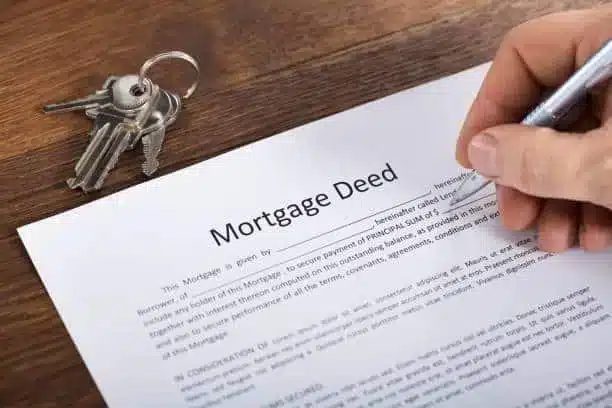
Families spend real money creating a living trust, sign it, put it in a drawer, and assume the house is protected. It is not. A trust only controls what it actually owns, and signing the trust document does not move your home into it. That transfer requires a separate deed, and the absence of it is the single most expensive gap in California estate planning.
The trust is a container. The deed fills it.
Think of the trust as an empty box with your instructions written on the lid. Until the deed to your home is retitled from you as an individual to you as trustee, the box is empty. When you die, an empty trust protects nothing, and the home you meant to shield still goes through probate.
What an unfunded trust costs your family
The whole point of a trust is to keep the home out of probate. An unfunded trust delivers the probate you paid to avoid, with the added confusion of a trust that appears to cover the property but legally does not. Your family ends up in court anyway, often surprised.
Why the funding deed is not a formality
The transfer into your own revocable trust is generally not a change of ownership, so it does not trigger reassessment or disturb your mortgage, but only when the deed is prepared and the exclusion claimed correctly. The wording is what makes that true, which is why a botched do-it-yourself funding deed can create the tax problem it was supposed to avoid.
Funding is more than the house
Real estate is the piece that most needs a deed, but a fully funded trust also captures accounts and other assets retitled into the trust’s name. The home is the costliest thing to leave out, and it is also the one that requires the most careful instrument.
Doing it yourself versus handing it off
You can prepare a deed yourself, and for a simple, clean transfer some people do. The risk is not the typing; it is the judgment calls. The legal description has to be exact, the vesting has to match your intent, the right exclusion has to be claimed, and the finished deed has to satisfy the county recorder’s formatting rules or it comes back rejected. A single wrong detail can trigger a reassessment, cloud the title, or stall the transfer for weeks.
What TruPoint does is remove those failure points: the deed is prepared to match your situation, formatted for the specific county, and recorded for you, so the transfer lands correctly the first time. You decide what you want to happen with your property; the preparation and recording are handled at your direction.
Frequently asked questions
Does signing a living trust put my house in it?
No. Signing the trust does not move the home. A separate deed must retitle the property from you as an individual to you as trustee before the trust actually owns it.
What is a trust transfer deed?
It is the deed that funds your trust by moving your property into it. Without it, the trust does not control the home and the property can still go through probate.
Will funding my trust trigger a reassessment?
Generally no, because transferring your own property into your own revocable trust is not a change of ownership, but only if the deed claims the exclusion correctly.
What happens if I never fund my trust?
The home stays in your individual name and typically goes through probate at death, defeating the purpose of the trust even though the trust document exists.
Can a Legal Document Assistant prepare the funding deed?
Yes, at your direction. An LDA cannot advise whether a trust is right for you, but can prepare and record the deed that funds it. For plan design, a licensed attorney is the right choice.
TruPoint Legal is a Registered Legal Document Assistant office (LDA #268) in San Jose, preparing California legal documents at your direction, for a flat fee. When you already know what you need, you can see how our deed transfer and recording works, quitclaim deed, interspousal transfer deed, or start your intake online.
This article is general information, not legal advice. A Legal Document Assistant prepares documents at your direction and cannot recommend which document or approach is legally best for your situation. For advice about your specific circumstances, consult a licensed California attorney.
Leave a Reply