
California Property Deed Transfer for Out-of-State Owners
You moved away, but the property stayed in California. We prepare your deed, trust transfer, or affidavit, you sign before a notary where you live, and we record it with the county. Deeds from $325, and the price is the same wherever you live.
Registered Legal Document Assistant #268, Santa Clara County · Verify on .gov
How it works from anywhere
Can you transfer California property without living in California?
Last updated September 16, 2026
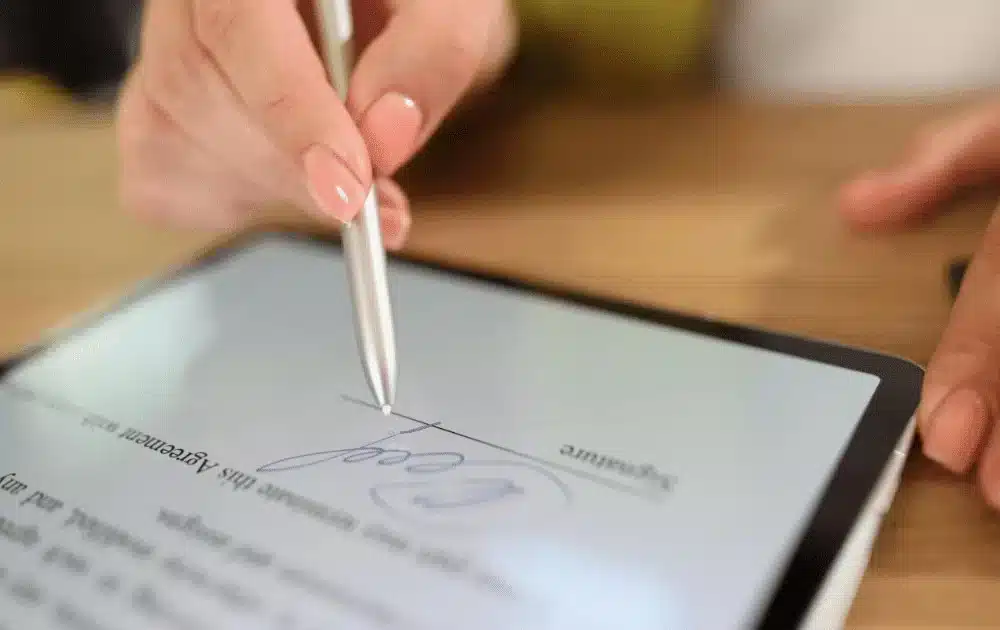
Yes. You can transfer, correct, or clear title to California real estate without living in California or visiting an office. TruPoint Legal prepares the documents at your direction, you sign before a notary in your state or at a U.S. embassy or consulate abroad, and we record them with the county where the property is located.
Many of our clients moved to another state and kept a home, inherited a parent’s property, or manage a rental from a distance. The documents a county recorder needs do not depend on where the owner lives, and neither does our fee. What changes is how you sign, and we write signing instructions for your exact location.
Prepared by Quinnie Do, Registered Legal Document Assistant #268, Santa Clara County (verify on .gov), Commissioned Notary Public, and Registered IRS Tax Preparer. We are not a law firm and do not give legal advice.
| Property location | Any of California's 58 counties |
|---|---|
| Where you sign | Any U.S. state, or abroad at a U.S. embassy or consulate |
| Office visit required | No. The entire process is remote |
| Starting price | $325 per deed, plus county recording fees |
| Payment | Secure link emailed after we review your intake |
| Languages | English and Vietnamese; Spanish through our staff partner |
| Prepared by | Quinnie Do, Registered Legal Document Assistant #268 |
Six situations out-of-state owners bring to us
Most out-of-state clients find us when a sale, a refinance, or a death in the family shows that the title on their California property no longer matches their plans.
You moved away and kept the house
Your California home may never have been deeded into your living trust. We prepare the trust transfer deed and you sign where you live now.
Trust deed transferYou inherited property you live far from
A joint tenant or trustee died and title still shows their name. We prepare the affidavit the survivor or successor trustee records.
Affidavit of deathYou are a successor trustee in another state
Title and escrow companies ask for proof of your authority before you can act. We prepare the Certification of Trust.
Certification of TrustYou manage a California rental from afar
Move the rental into or out of an LLC with a deed prepared to the county's format and the entity forms it requires.
LLC and corporation deedsYou need to add or remove a name
Divorce, a gift to a child, or a co-owner buying out another. Each signer can be in a different state or country.
Quitclaim deedYou live outside the United States
Sign at a U.S. embassy or consulate, or before a local notary with authentication. We confirm your county's route first.
Signing abroadDistance is rarely the problem. Waiting is.
Owners who live elsewhere often put off California paperwork because they assume it requires a trip back. It does not. The risk is in the delay: a home that never made it into the trust, a deceased owner still on title, or a name that no longer matches the vesting you want.
Those gaps usually surface at the worst time — when escrow opens on a sale, a lender asks for proof of authority, or family members in three different states need to act together.

How the 100% remote process works
Every step happens by secure link, email, and your local notary. You can complete the whole process without setting foot in California.
Start online from anywhere
Complete the ten-minute online intake from your state or country. Nothing is charged to start. We review it, confirm your fee, and email a secure payment link.
We prepare the documents
We draft your deed or affidavit to the county recorder's format at your direction, match every name to the recorded deed, verify the legal description, and prepare the county ownership-change forms.
You sign where you live
We email the documents with signing instructions for your location. Sign before a notary in your state, or at a U.S. embassy or consulate abroad, then return the pages as your instructions direct.
We record with the county
We submit your documents to the California county recorder, electronically in counties that accept e-recording, and email you the recorded copy when the county returns it.

Ready to start from where you live?The online intake takes about ten minutes. Nothing is charged until we confirm your fee.
Start My Deed OnlineHow do you sign a California deed from another state or country?
A California county records a deed only when the signature is acknowledged before a notary or other authorized officer. You do not need a California notary. Here is how each route works.
Signing in another U.S. state
California Civil Code § 1189(b) treats an acknowledgment taken in another state as sufficient in California when it follows that state’s laws. Any notary commissioned in your state can take it, using their own state’s certificate wording.
Our instructions tell you which pages to sign, what identification to bring, and how to return the documents to us.
Signing outside the United States
The acknowledgment is usually taken at a U.S. embassy or consulate. A notary of the country where you live may also be accepted, though that signature usually needs an apostille or other authentication.
We confirm which route your county accepts and write instructions for signing abroad before you book the appointment.
Planning to use an online notary? California notaries are not yet authorized to perform remote online notarization, and county acceptance of out-of-state online notarizations varies. Tell us before you book one so we can confirm your county first. Signing in person before a notary where you live is the route we set up by default.

What your local notary does
The notary confirms your identity, watches you sign, and completes the acknowledgment certificate. They do not need to know California law, and they do not review the content of your deed.
Bring government-issued photo identification, sign only in front of the notary, and do not date or sign any page ahead of time. Every signer on the deed follows the same steps, and each can sign in a different state.
After you sign: recording with the county
Once your signed documents are back with us, we submit them to the county recorder where the property is located, electronically in counties that accept e-recording. We confirm the route for your county before you sign.
The county returns the recorded document with its instrument number and recording date, and we email you the recorded copy. Nothing about this step requires you to be in California.
What does it cost when you live out of state?
The same as for a California resident. California attorneys typically charge $1,000 to $2,000 to prepare and record a single deed. Our preparation fees are published below, and every county and optional fee is itemized before you commit.
Standard deed
Grant, quitclaim, or interspousal deed to add or remove a name, gift, or transfer.
Trust transfer deed
Moves California property into or out of your living trust, including a trust created in another state.
Affidavit of death
Clears a deceased joint tenant or trustee from title so the survivor or successor trustee can act.
Certification of Trust
The short trust summary title, escrow, and banks ask for before a successor trustee can act.
LLC or corporation deed
Moves a California rental or investment property into or out of a business entity.
Deed copy or vesting report
Pulls your current vesting deed, or a report of everyone currently on title, before you transfer.
Fees paid separately
- County recording fees are passed through at cost and vary by county and document.
- Because many out-of-state owners do not live in the property, California’s $75-per-title state recording fee often applies.
- Optional add-ons include e-recording ($50), property tax exclusion forms ($100), and a county transfer tax affidavit where required ($50).
- Your local notary’s fee is paid directly to the notary.
Know which document you need?Choose it in the online intake. Not sure yet? Schedule a consultation first.
Why do-it-yourself deeds from out of state get rejected
A free form or an AI-generated deed can look complete. When you live in another state, every rejection costs more: new signatures, a new notary appointment, and another round of mail. These are the errors we see most.
Transfer tax claimed exempt with no reason stated
Counties reject a deed that declares zero documentary transfer tax without stating the exemption that applies.
A rejected deed means new pages mailed across state lines, signed again, and notarized again.
Legal description copied from the tax bill
A tax bill carries a parcel number, not the legal description the recorder needs from the vesting deed.
A deed that records against the wrong description can cloud title until it is corrected.
Names that do not match the recorded deed
Owner names, trust names, and trust dates must match the record exactly, including middle names and suffixes.
A mismatch can surface years later, when escrow opens on a sale and the owner is thousands of miles away.
Ownership-change forms left out
Most transfers must be accompanied by the county's change-of-ownership report and any exclusion claims.
Missing forms can mean added county fees, follow-up letters, and property tax questions later.

Prepared by Quinnie Do
Quinnie founded TruPoint Legal to make California property paperwork accessible to families, including the many who moved away but still own a home, a rental, or an inherited property in California. She serves clients in English and Vietnamese, works with a Spanish-speaking staff partner, and brings about 16 years of background in affordable-housing property management to every file.
Verify LDA #268 on the Santa Clara County Clerk-Recorder website · View CALDA member profile
Deeds prepared carefully and recorded properly
“Quinnie was extremely helpful and professional. She made sure everything had been done correctly and in a timely manner. The fee was very reasonable. Highly recommend.”
“They prepared each deed carefully and recorded all our deeds electronically. Every deed came back recorded properly. Excellent deed preparation service.”
“TruPoint Legal did an amazing job with the service of drafting and recording a Quitclaim Deed. The Quitclaim deed was recorded in the same week. They are very accommodating and answered my questions immediately. I would highly recommend them and use TruPoint Legal in the future should the need arise.”
16 questions out-of-state owners ask about California property
Answers in plain English. If your situation is not covered here, schedule a consultation and we will walk through it.
Can I transfer my California property if I live in another state?
Yes. The county where the property sits controls recording, not where you live. TruPoint Legal prepares the deed or affidavit at your direction, emails it with signing instructions for your state, and records it with the California county after you sign before a notary where you live. The preparation fee is the same wherever you live.
Do I have to travel to California or come to your office?
No. Out-of-state owners work with us 100% remotely: online intake, a secure payment link, documents by email, signing with a notary near you, and recording with the county. You never need to visit our San Jose office. If you prefer to talk before starting, you can schedule a consultation.
Can a notary in my state notarize a California deed?
Yes. California Civil Code § 1189(b) treats an acknowledgment taken in another state as sufficient in California when it is taken under that state's laws. Your local notary uses their own state's certificate wording. Our signing instructions show which pages to sign, what identification to bring, and how to return the documents.
How do I sign a California deed if I live outside the United States?
The acknowledgment is usually taken at a U.S. embassy or consulate. California can also accept a notary of the country where you live, though that signature usually needs an apostille or other authentication before a county will record it. We confirm which route your county accepts and write instructions for signing abroad before you book the appointment.
Can I use an online (remote) notary for a California deed?
Sometimes. California notaries are not yet authorized to perform remote online notarization, but notaries commissioned in states that allow it can, under their own state's law. County acceptance varies by document. Tell us before you book an online notary so we can confirm your county first. Signing in person before a notary where you live is the route we set up by default.
How much does it cost to transfer California property from out of state?
The same as for a California resident. A standard deed or trust transfer deed is $325, an affidavit of death is $325, a Certification of Trust is a flat $200, and an LLC or corporation deed is $400. County recording fees are passed through at cost. Because many out-of-state owners do not live in the property, California's $75-per-title state recording fee often applies.
How long does the process take from out of state?
Preparation typically takes one to two business days after your intake and documents are complete. The largest variable is how quickly you can see a notary and return the signed pages. Once we have them, we submit for recording, electronically in counties that accept e-recording, and email you the recorded copy when the county returns it.
I moved out of California. Is my California home still in my living trust?
Moving does not change how title is held. If the home was deeded into your trust before you moved, title stays with the trust. If it was never deeded in, title generally remains outside the trust. A $30 deed copy or a $75 Property & Vesting Profile shows the current vesting, and a trust transfer deed can be prepared remotely for $325.
My living trust was created in another state. Can it hold California property?
Generally, yes. A trust does not need to be created in California to hold title to California real estate. The deed must name the trustee and the trust exactly as your trust document states them, and title and escrow companies often ask for a Certification of Trust as well. Questions about which state's law governs your trust belong with an attorney.
A parent died and I live out of state. What does the California property need?
It depends on how title was held. With joint tenancy, the surviving owner usually records an Affidavit of Death of Joint Tenant. With a trust, the successor trustee usually records an Affidavit of Death of Trustee. Both can be prepared and signed remotely with a certified death certificate. If title was in the decedent's name alone, a court process may be required, and we refer that to an attorney.
Can I move my California rental into an LLC while living out of state?
Yes. We prepare the LLC or corporation deed for $400 along with the ownership-change forms the county requires, and the signer completes them before a notary where they live. Whether a transfer to an entity triggers a property tax reassessment depends on how ownership interests are held, so confirm that with a CPA or attorney before you direct the transfer.
How do I add or remove a name on a California deed from out of state?
Each owner giving up an interest signs the new deed before a notary, and each signer can be in a different state or country. We prepare the deed to the vesting you direct, include the required county forms, and send every signer their own instructions. A standard deed is $325, and no signer needs to come to California.
What if I don't have a copy of my current deed?
That is common for owners who moved away. Give us the property address or APN and we can pull a copy of the current vesting deed for $30, or a Property & Vesting Report for $125 that lists everyone currently on title. The recorded deed is needed so the new document carries the correct legal description and owner names.
What is a Legal Document Assistant, and how is that different from a lawyer?
A Legal Document Assistant is registered and bonded with a California county to prepare legal documents at a client's specific direction. An LDA is not an attorney and cannot give legal advice or choose which document you need. TruPoint Legal is LDA #268 in Santa Clara County, and the registration can be verified on the county's .gov website.
How do I pay, and how are my documents delivered?
Nothing is charged to start. After we review your online intake, we confirm the fee and email a secure payment link. Your documents arrive by email with signing instructions, and the recorded copy is emailed to you once the county returns it. You can call (408) 766-3532 with questions at any point.
Do you serve out-of-state owners in Vietnamese or Spanish?
Yes. Quinnie Do serves clients in English and Vietnamese personally, and Spanish-speaking clients work with our Spanish-speaking staff partner. This helps families who own California property but live in another state or overseas review their documents in the language they are most comfortable with before signing.
Service available in English, Tiếng Việt, and Español. Call (408) 766-3532
Find the document for your California property
Trust Deed Transfer
Fund your living trust or move property out of it, signed from anywhere.
Fund the trustAffidavit of Death
Remove a deceased joint tenant or trustee from California title.
Clear titleCertification of Trust
Show title, escrow, and banks your authority as trustee.
Prove authorityQuitclaim Deed
Add or remove a name, or transfer between family members.
Change ownersLLC and Corporation Deed
Move a rental between you, your trust, and your entity.
Entity transfersProperty Title Report
Confirm who is on title before you direct a transfer.
Check title firstAll Deed Transfers
Compare every California deed we prepare and record.
Deed hubDeed Services for Lenders
Deeds of trust and reconveyances for private lenders anywhere.
Lender servicesOwn Nevada Property Too?
Our Nevada office prepares Nevada deeds through TruPoint LLC.
Nevada deedsHandle your California property from where you live
Start the online intake today. We prepare your documents, you sign before a notary near you, and we record with the county. No trip to California and no office visit.
TruPoint Legal LLC, 434 Blossom Hill Rd, San Jose, CA 95123 · (408) 766-3532. Registered Legal Document Assistant #268, Santa Clara County, registration expires 03/17/2027. TruPoint Legal is not a law firm, and a Legal Document Assistant is not an attorney. We cannot give legal advice and provide self-help services only at your specific direction.