

Private sales · No escrow · 47 e-recording counties
Selling to family, a tenant, or a neighbor without escrow?
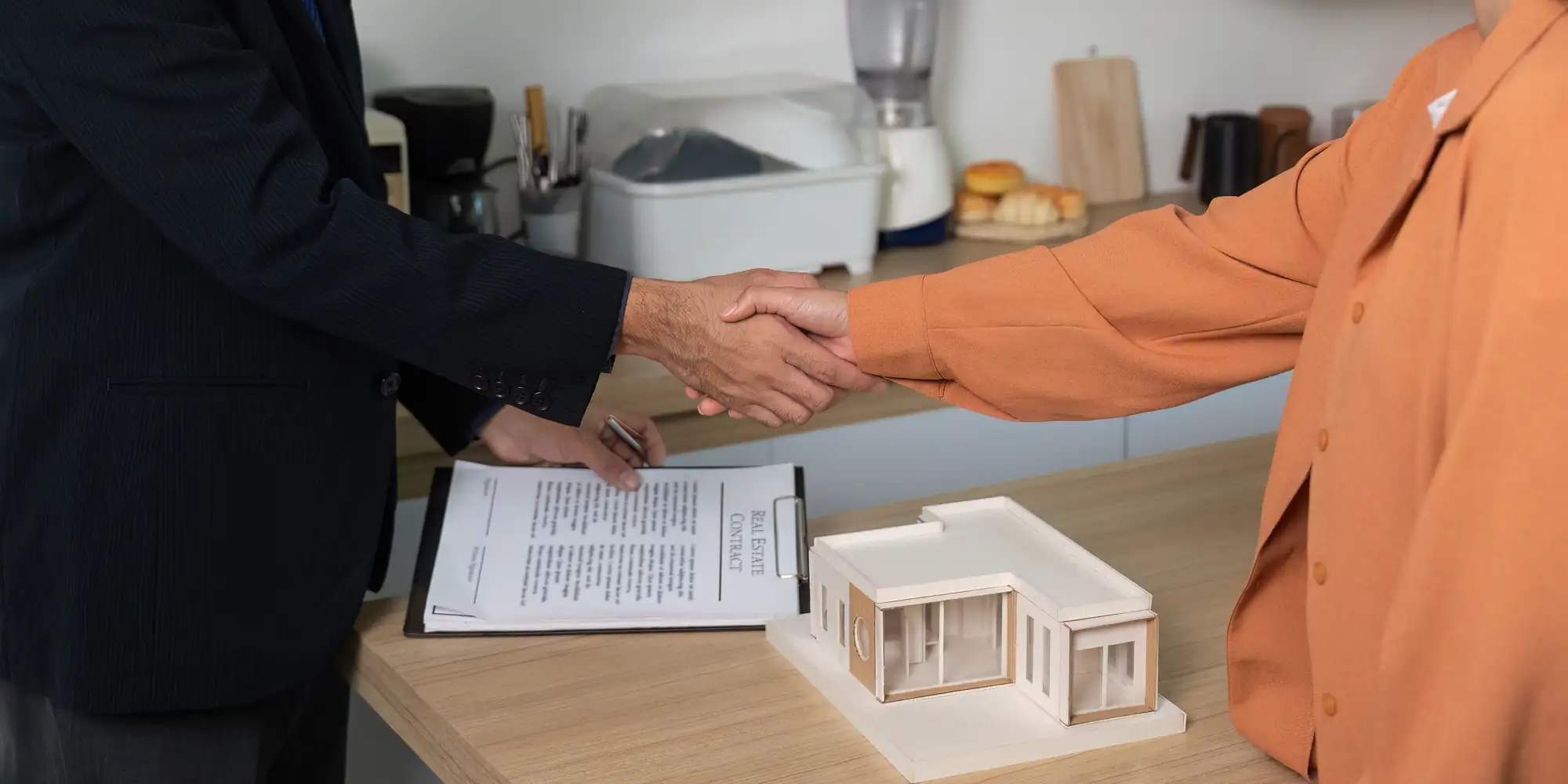
You already have a buyer and a price. What you still need is the paperwork that makes the sale official: the deed that transfers ownership to the buyer, and, if the buyer pays you over time, the note and deed of trust that protect what you are owed. We prepare them, you sign, and we e-record them with the county.
Registered & Bonded Legal Document Assistant LDA #268, Santa Clara County. Verify registration ↗ · CALDA member ↗
Who uses this
A private sale, between people who already know each other
Escrow companies are built for listed sales with agents and lenders. When the buyer is someone you know and the terms are already agreed, many owners want the documents prepared and recorded correctly without opening an escrow.
Selling to a family member
A parent selling to a child, a sibling buying out a sibling, or a relative taking over the family home.
Selling to your tenant
The person renting the home wants to buy it, and you have agreed on a price.
A neighbor or a friend
A neighbor buying the lot next door, or a friend buying your home or land directly from you.
Buyer pays you monthly
Seller financing: the buyer pays part now and the rest over time, secured by a recorded lien.
What gets recorded
Two documents, two different jobs
A private sale usually needs one document, sometimes two. Knowing which is which helps you tell us exactly what to prepare.
The deed: $325
Transfers ownership from the seller to the buyer. Once recorded, the county shows the buyer as the new owner. Needed in every sale.
The seller-carry lien: $500
A promissory note plus a deed of trust. Recorded against the property so the unpaid balance is secured until the buyer pays it off. Needed only when the buyer pays over time.
Need the deed of trust for a loan rather than a sale? See our Deed of Trust and Promissory Note service.

Published pricing
What a private sale costs, itemized
| Item | Cash sale | Seller-financed sale |
|---|---|---|
| Deed from seller to buyer | $325 | $325 |
| Electronic recording of the deed | $50 | $50 |
| Seller-carry lien: promissory note + deed of trust | Not needed | $500 |
| Electronic recording of the deed of trust | Not needed | $50 |
| TruPoint Legal fees | $375 | $925 |
| Purchase agreement (optional) | + $400 | + $400 |
| County recording fees | Set by the county | Set by the county |
| Documentary transfer tax | Based on the price | Based on the price |
County recording fees and the documentary transfer tax depend on the county, the city, and the purchase price. We calculate them and confirm your total in writing, with your service contract and a payment link, before you pay anything. A deed of trust is not subject to documentary transfer tax.
Purchase agreement: buyer and seller give us the price, payment terms, and dates you have agreed on, and we prepare the agreement from them. To request one, book a free consultation.
Before anyone signs
No escrow means no title insurance
In a sale through escrow, a title company searches the records and insures the buyer against liens and title problems. In a private sale, the buyer accepts that risk. A judgment, tax lien, or old loan recorded against the seller can stay with the property.
Before signing, many buyers order a Property Lien Report ($95) or an Expanded O&E Report to see what is recorded against the property. If the seller still has a mortgage, selling usually triggers the loan’s due-on-sale clause, so the seller should speak with the lender first.
How it works
From agreed terms to recorded deed
Tell us the terms
Complete the intake with the property, both names, the price, and whether the buyer pays over time.
We confirm your total
Fees, county costs, and transfer tax in writing, with your service contract and a payment link.
Both sides sign
The seller signs the deed; the buyer signs the note and deed of trust. Each signs before a notary, in our office or remotely.
We e-record
Recorded with the county the same business day the signed documents are in hand, and a recorded copy is emailed to you.
After you submit the intake form, we review it and follow up with any questions. No payment is collected until the contract is signed.


Buyer or seller in another state
One of you lives outside California?
That is common in family sales. The seller or buyer can sign before a notary where they live, and the documents are still recorded with the California county where the property sits. See California property transfers for owners who live out of state.

Who prepares your documents
Prepared by Quinnie Do, LDA #268
Quinnie Do is a Registered and Bonded Legal Document Assistant and commissioned Notary Public who prepares deeds, deeds of trust, and promissory notes for California property owners. With a private sale, there is no escrow officer double-checking names and legal descriptions, so we do it:
- Names, vesting, and the legal description checked against the current recorded deed
- Questions on your intake followed up before anything is drafted
- Deed and deed of trust prepared to match each other and record together
- Recorded electronically in 47 California counties, with recorded copies emailed to you
We prepare documents at your direction. We cannot advise whether to use escrow or how to structure the sale; for that, speak with an attorney.
Frequently asked
Private sale questions, answered
Can we sell a house in California without escrow?
Yes. California does not require escrow when a buyer and seller agree to a sale. Escrow and title insurance are protections the parties can choose. Without them, the deed still has to be prepared correctly, signed before a notary, and recorded with the county, and that is the part TruPoint Legal handles.
What documents does a private sale need?
Every sale needs a deed from the seller to the buyer ($325). If the buyer will pay part of the price over time, the sale also needs a promissory note and deed of trust ($500) so the unpaid balance is secured by the property. Many buyers and sellers also put their terms in a purchase agreement ($400).
Who pays the transfer tax?
The county documentary transfer tax, and any city transfer tax, is paid when the deed is recorded. The buyer and seller decide between themselves who pays it. We calculate the amount from the purchase price and confirm it in writing before you pay.
Is the deed of trust taxed too?
No. A deed of trust secures a debt; it does not transfer ownership, so it is not subject to documentary transfer tax. It has its own county recording fee and our $50 electronic recording fee.
Does the buyer get title insurance?
Not without a title company. In a private sale, the buyer accepts the risk of liens or title problems. Many buyers order a Property Lien Report or an Expanded O&E Report before signing to see what is recorded against the property.
What happens if the buyer stops paying?
A recorded deed of trust gives the seller rights against the property under its terms. When a lien is not being paid, TruPoint Legal can prepare the notice of default. For advice about foreclosure itself, speak with an attorney.
Will the property be reassessed for property taxes?
A sale is a change in ownership, so the county assessor generally reassesses the property. A Preliminary Change of Ownership Report is filed with the deed. Family transfers can qualify for exclusions in some cases; ask the assessor or a tax professional about your situation.
The seller still has a mortgage. Can we still do this?
Most home loans have a due-on-sale clause, which lets the lender call the loan when the property is sold. Speak with the lender before signing anything. If the buyer will live in the home and the seller is carrying financing, federal lending rules can apply to the loan terms, so confirm them with a lender or attorney.
Do you hold the purchase money?
No. TruPoint Legal does not hold or transfer purchase money. Buyer and seller handle payment between themselves. We prepare the documents and record them.
Can one of us sign from another state?
Yes. The buyer or seller can sign before a notary where they live, and we record the documents with the California county where the property is located.
Your buyer is ready. Make it official.
Deed $325, seller-carry lien $500, each e-recorded for $50. Your total is confirmed in writing before you pay.